
Conflict avoidance and people pleasing come up often in coaching as habits that interfere with the ability to lead effectively, so let’s look at these patterns.
People pleasers tend to worry about how people will respond if they speak what’s really on their mind. They are not always completely honest with others because they want to be seen as likeable or don’t want to hurt people’s feelings. As a result, they might talk in circles around an issue without getting to the point.
On top of this, some people see conflict as culturally unacceptable or disruptive, so they avoid it at all costs – particularly in the workplace.
The problem is, avoiding conflict doesn’t make it go away. It just allows it to fester, exacerbating disagreements, causing inefficiencies, and crippling collaboration.
For the sake of their organization, leaders must be able address conflict head-on and embrace what we call “healthy conflict.” They must have the courage to provide honest, direct feedback and have the hard conversations.
The Four Steps of Conflict Management
In the Korn Ferry Emotional and Social Competency Inventory (ESCI), Conflict Management is defined as the ability to negotiate and resolve conflicts. When disagreements are brought into the open, knowing how to effectively communicate the different positions allows people to find a solution that all can endorse. This requires emotional intelligence.
Korn Ferry provides four specific steps to enhance one’s ability to manage conflict:
- Airing disagreements
- Maintaining objectivity
- Effectively communicating different positions (or addressing conflict)
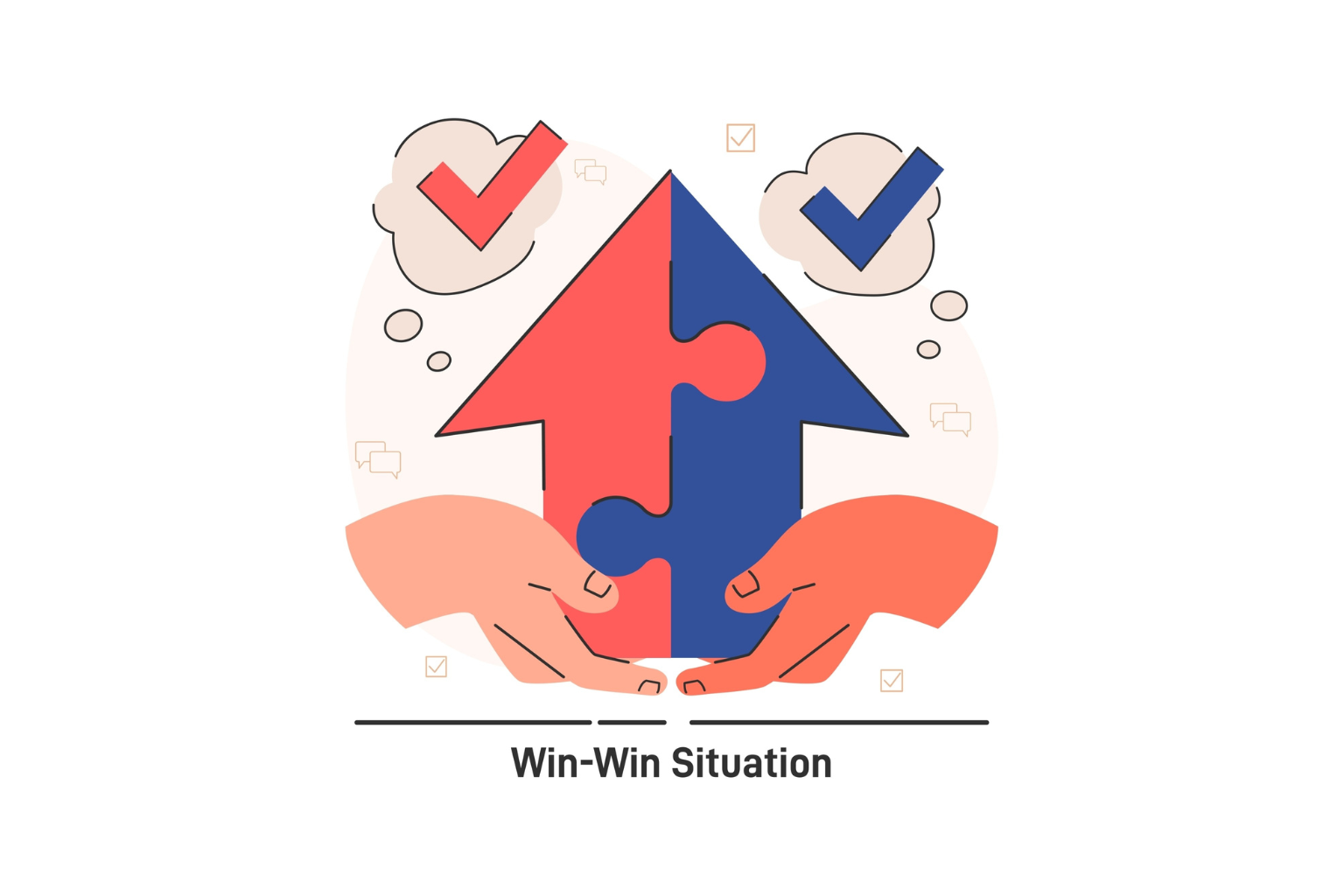
- Orchestrating win-win solutions
The steps build on each other.
First, the leader must learn to discuss disagreements openly and without taking sides. The effective communicator remains unhooked or untriggered by the discussion. The ultimate goal is to get to a win-win outcome, one that satisfies all parties, making them feel heard, acknowledged, and ready to move forward with the solution.
Mastering conflict management is not easy, yet it is a skill leaders can improve with practice and intention. Those who choose to become better at it find it gets easier over time and they can let go of their need to please people.
Overcoming People Pleasing and Learning To Have the Tough Conversations
Herbie is the Executive Director (ED) of a large senior living facility. In our first leadership coaching sessions, he shared that his people-pleasing tendency was one of his biggest issues in leading his teams. It was creating unproductive patterns with several important leaders. He was determined to change his ways and engage in uncomfortable conversations that he would have previously avoided.
During the coaching, Herbie got promoted to ED of a much bigger facility, which involves leading larger and more complicated teams of people. He is now leading leaders instead of managers, so there is much more at stake.
Herbie is only 28 years old and this is a huge responsibility. However, this new role has presented him with a great opportunity to step into his new leadership style and have straight, honest conversations with his new team members from the start.
The shift isn’t easy; sometimes it’s even exhausting. Yet, Herbie is conscious that he must leave the people-pleasing pattern behind. He knows that the need for handling conflict with ease and confidence is only going to increase as the job level rises over time. He continues to stay aware of when he retreats into his old habit and is working hard to grow more comfortable in confronting disagreements and leading difficult conversations with objectivity in order to find win-win solutions for all involved.
How about you? Are you able to communicate openly, honestly, and objectively when dealing with tough situations in your leadership role?
If you find it challenging, give us a call.
